Posted on

Asparagus with Crispy Bread Crumbs and Olive Oil

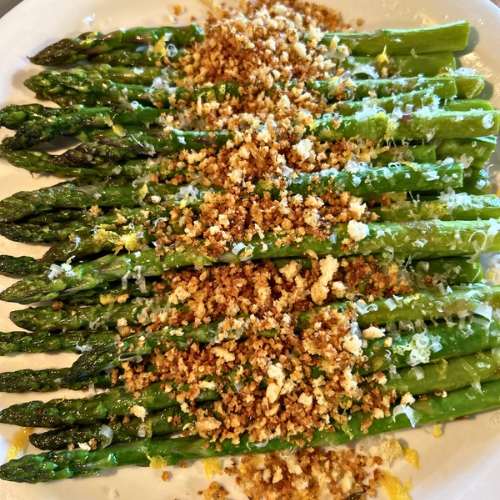
Late summer is a beautiful time to keep things simple in the kitchen—when vegetables are tender, bright, and don’t need much fussing to shine. This recipe for Asparagus with Bread Crumbs and Olive Oil is one of those weeknight treasures: quick, fresh, and a little bit elegant. It’s a reminder that humble ingredients—like asparagus, lemons, and day-old bread—can come together to make something memorable.

We’ve been making this dish alongside sourdough toast, roast chicken, or even just a simple fried egg for a light meal. The contrast of tender asparagus with crunchy, lemony bread crumbs feels like spring and summer on a plate.

Ingredients

Directions

For the Bread Crumbs

1. In a dry pan over medium-high heat, toast the bread crumbs until golden brown and fragrant.

2. Remove from heat, transfer to a bowl, grate the zest of half of a lemon, and drizzle with 1 tablespoon of olive oil. Toss well to coat.

For the Asparagus

1. Heat a drizzle of olive oil in a large skillet over high heat.

2. Add asparagus and sprinkle with salt. Cook 3–5 minutes, stirring occasionally, until they begin to brown.

3. In the last minute of cooking, splash in an ounce of water and cover briefly to steam until the asparagus is tender.

4. Turn off the heat. Grate the lemon’s zest and juice of half a lemon.

5. Scatter the toasted bread crumbs over the asparagus.

6. Serve immediately while the asparagus is hot and the bread crumbs are crisp.

Serving Notes

This dish pairs beautifully with grilled meats or fish, but it’s also a satisfying vegetarian side. For extra indulgence, add a dusting of Parmesan cheese just before serving. If you’ve got homemade sourdough bread on hand, you can even pulse dried slices into the best bread crumbs you’ll ever taste.

Simple, seasonal, and nourishing—just the way we like to cook here at Bluefield Kitchen.

Asparagus with Crispy Bread Crumbs and Olive Oil

Late summer is a beautiful time to keep things simple in the kitchen—when vegetables are tender, bright, and don’t need much fussing to shine. This recipe for Asparagus with Bread Crumbs and Olive Oil is one of those weeknight treasures: quick, fresh, and a little bit elegant.
Prep Time 5 minutes
Cook Time 20 minutes
Course Side Dish
Cuisine American, Italian
Servings 4 People

Ingredients
  

  • 1 bunch asparagus
  • 2 tbsp Olive oil extra virgin
  • 1/2 Cup Italian seasoned bread crumbs
  • 1 lemon
  • salt to taste

Instructions
 

For the Bread Crumbs

  • In a dry pan over medium-high heat, toast the bread crumbs until golden brown and fragrant.
  • Remove from heat, transfer to a bowl, grate the zest of half of lemon, and drizzle with 1 tablespoon of olive oil. Toss well to coat.

For the Asparagus

  • Heat a drizzle of olive oil in a large skillet over high heat.
  • Add asparagus and sprinkle with salt. Cook 3–5 minutes, stirring occasionally, until they begin to brown.
  • In the last minute of cooking, splash in an ounce of water and cover briefly to steam until the asparagus is tender.
  • Turn off the heat. Grate the zest and juice of half a lemon.
  • Scatter the toasted bread crumbs over the asparagus.
  • Serve immediately while the asparagus is hot and the bread crumbs are crisp.
Notes

Serving Notes
This dish pairs beautifully with grilled meats or fish, but it’s also a satisfying vegetarian side. For extra indulgence, add a dusting of Parmesan cheese just before serving. If you’ve got homemade sourdough bread on hand, you can even pulse dried slices into the best bread crumbs you’ll ever taste.
Keyword Side Dish
Posted on

Panzanella – Tuscan Tomato Bread Salad

Farmers Market Fresh: Tuscan Panzanella Salad

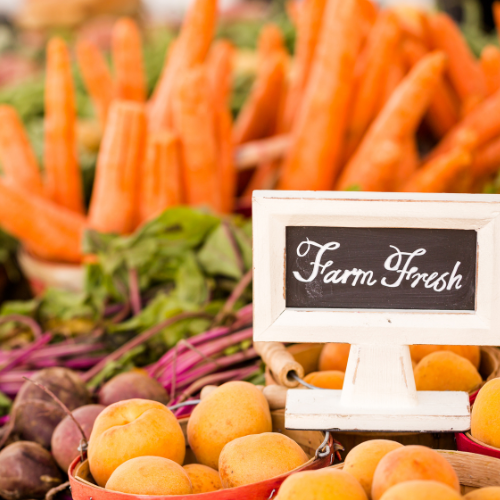
There’s nothing like walking through the farmers market in August—sun-warmed tomatoes spilling out of baskets, crisp cucumbers piled high, the scent of basil in the air. This time of year, you hardly need to cook to make something beautiful. You just need a few peak-season vegetables and a loaf of good sourdough.

Enter Panzanella.

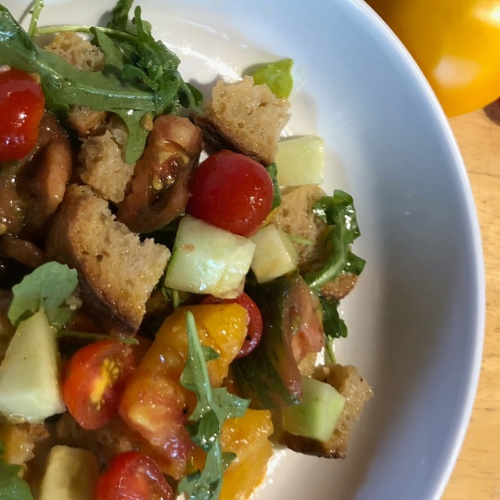
This rustic Tuscan tomato and bread salad is proof that simple ingredients, treated well, make the best meals. Traditionally made as a way to use up stale bread, Panzanella has become a late-summer staple in our kitchen. It’s fresh, vibrant, and a perfect way to showcase what’s growing right now.

We like to use our own rustic sourdough loaves for this—dried out just enough to soak up all that bright vinaigrette and tomato juice without going soggy. And the vinaigrette? Just the right balance of vinegar, Dijon, and a touch of honey.

🥖 

Tuscan Tomato Bread Salad (Panzanella)

Serves 6

Ingredients:

  • 3/4-pound sourdough bread, cut into ½-inch cubes (about 6 cups)
  • 2 pounds ripe tomatoes, cut into ½-inch cubes (about 4 cups)
  • ½ cup sliced red onion
  • 1 English or garden cucumber, cut into ½-inch pieces
  • ½ cup fresh basil leaves, hand-torn

For the vinaigrette:

  • ¼ cup sherry or red wine vinegar
  • 1 tsp Dijon mustard
  • 1 tsp honey
  • ½ tsp salt
  • ¼ tsp black pepper
  • ½ cup extra-virgin olive oil

Directions:

  1. Preheat oven to 375ºF. Spread bread cubes on a baking sheet and toast for 10 minutes until golden and crisp.
  2. In a large bowl, combine bread, tomatoes (and their juices!), cucumber, red onion, and basil.
  3. In a small bowl, whisk together vinegar, mustard, honey, salt, and pepper. Slowly drizzle in olive oil while whisking.
  4. Pour the vinaigrette over the salad and toss well. Let stand 10 minutes to allow flavors to mingle.
  5. Taste and adjust salt and pepper as needed. Serve at room temperature.

Optional Add-Ins:

Try arugula, olives, capers, or even torn fresh mozzarella if you’re feeling indulgent.

This is a salad that gets better as it sits—so don’t be afraid to make it ahead. Pack it for a picnic, serve it alongside grilled chicken, or just eat a big bowl for lunch with a cold drink and a slice of melon for dessert.

Grab a loaf of our sourdough at the market this weekend or porch pickup this week, and make this Panzanella the centerpiece of your next summer meal.

Panzanella – Tuscan Tomato Bread Salad

This rustic Tuscan tomato and bread salad is proof that simple ingredients, treated well, make the best meals. Traditionally made as a way to use up stale bread, Panzanella has become a late-summer staple in our kitchen. It’s fresh, vibrant, and a perfect way to showcase what’s growing right now.
Prep Time 15 minutes
Cook Time 10 minutes
Course Salad, Side Dish
Cuisine American, Italian
Servings 6 Servings

Ingredients
  

  • 6 cups sourdough bread cut into ½ inch cubes
  • 2 pounds ripe tomatoes cut into 1/2-inch cubes (about 4 cups)
  • 1/2 cup red onion sliced
  • 1 English or seeded garden cucumber cut into ½ inch pieces
  • 1/2 cup basil leaves hand torn

Vinaigrette

  • 1/2 cup sherry or red wine vinegar
  • 1 tsp Dijon mustard
  • 1 tsp honey
  • 1/2 tsp salt
  • 1/4 tsp black pepper ground
  • 1/2 cup olive oil

Instructions
 

  • Add all ingredients except olive oil, including any tomato juices, to large bowl. Whisking constantly, drizzle in remaining 1/2 cup olive oil.Season dressing to taste with salt and pepper.
  • Preheat oven to 375º. Place bread cubes on a sheet pan and toast for 10 minutes.
  • In a large bowl, toss bread, tomatoes, cucumber, onion and shredded basil leaves until well mixed.
  • Drizzle the vinaigrette over the salad and toss to mix thoroughly.
  • Season to taste with salt and pepper and let stand 10 minutes before serving.
Posted on

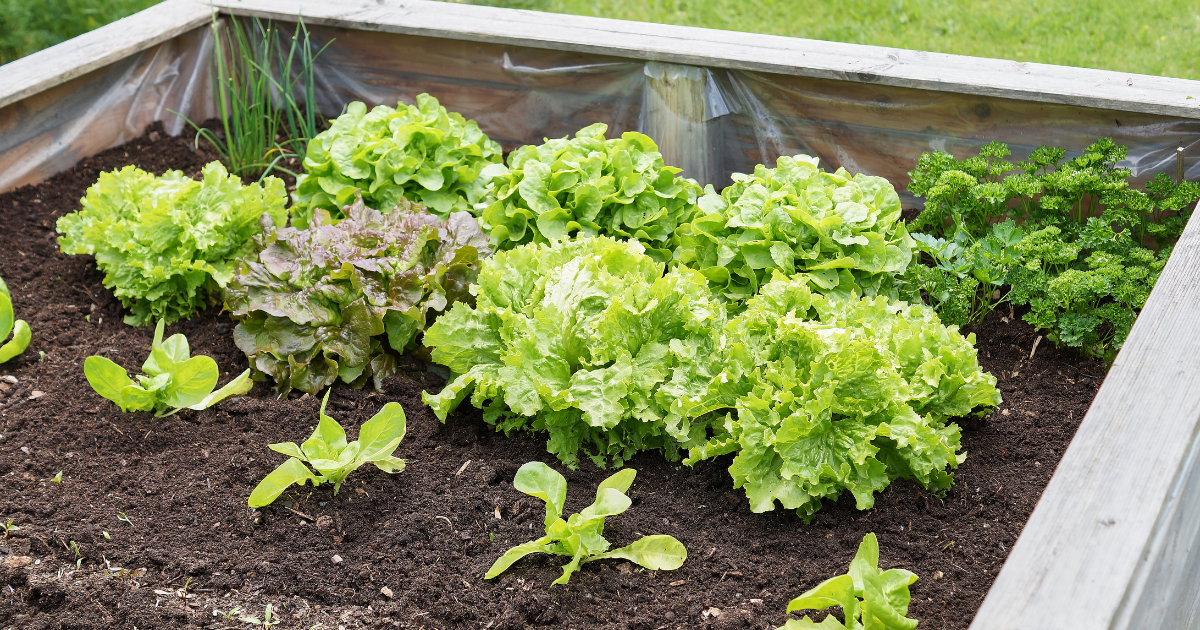
A Guide to Crafting Your Own Sustainable Backyard Garden

Welcome to becoming a homesteader right in your own backyard! It’s time to embrace the sustainable living trend with a project that benefits your health, your wallet, and Mother Earth herself no matter the size of your yard. Creating a sustainable backyard garden is not just a rewarding pastime; it’s a step towards self-sufficiency and environmental responsibility. Whether you’re a culinary enthusiast seeking the freshest ingredients for your Rustic Summer Pasta or a nature lover aiming to reduce your carbon footprint, this guide will walk you through the essentials of crafting a garden that’s both bountiful and eco-friendly.

Understanding Sustainable Gardening

Sustainability in gardening is about more than just growing plants; it’s an approach that considers the ecological cycle and works in harmony with it. A sustainable backyard garden not only provides a source of organic produce but also contributes to the wellbeing of the local ecosystem. Here are some principles to keep in mind:

  • Utilizing organic, non-GMO seeds ensures the health of your soil and produce.
  • Implementing companion planting can naturally ward off pests and improve plant health.
  • Conserving water with methods like drip irrigation or rainwater harvesting reduces waste.
  • Composting kitchen scraps turns waste into valuable organic fertilizer.
  • Recycling garden waste minimizes landfill contributions and enriches your soil.

Designing Your Garden Layout

The design of your sustainable backyard garden should be a reflection of your space, sunlight availability, and the types of food you enjoy in your recipes. Consider raised beds to improve drainage and prevent soil compaction, and always select a spot with ample sunlight—at least six hours a day for most vegetables. When planning, think about the seasonality of your crops to maintain a year-round harvest that can be showcased in dishes such as Mediterranean Stuffed Chicken or Spring Vegetable Ragout.

Companion Planting

Companion planting is a time-honored method to maximize space and enhance your garden’s productivity. By planting certain combinations, you can deter pests, attract pollinators, and even improve the flavor of your produce. For example:

  1. Plant basil near tomatoes for a natural pest deterrent.
  2. Grow marigolds among your vegetables to attract pollinators and repel nematodes.
  3. Nasturtiums can be used as a trap crop for aphids, protecting other plants.

Maintaining Your Garden

Once your garden is planted, regular maintenance is key to its sustainability. This includes mulching to retain moisture, pruning to encourage growth, and rotating crops to prevent soil depletion. Being vigilant about organic pest control methods will help keep your plants healthy without the need for harmful chemicals. Additionally, integrating a community-supported agriculture (CSA) mindset, where you share your surplus with neighbors or local food banks, can foster a sense of community and reduce food waste.

Water Conservation

Water is a precious resource, and conserving it is a cornerstone of sustainable gardening. Techniques such as drip irrigation deliver water directly to the plant roots, minimizing evaporation and runoff. Collecting rainwater in barrels is another effective strategy, and it’s also better for your plants as rainwater is naturally soft and free of chlorine and other chemicals found in tap water.

In conclusion, establishing a sustainable kitchen garden aligns perfectly with our ethos of “Bringing The Farm To You”. It’s a step towards a healthier lifestyle and a commitment to preserving our planet. By incorporating these sustainable practices, you can enjoy the freshest ingredients right from your garden to your table, complementing the delicious offerings found in our marketplace and enriching the recipes shared within our food-oriented community. Happy gardening!

Posted on

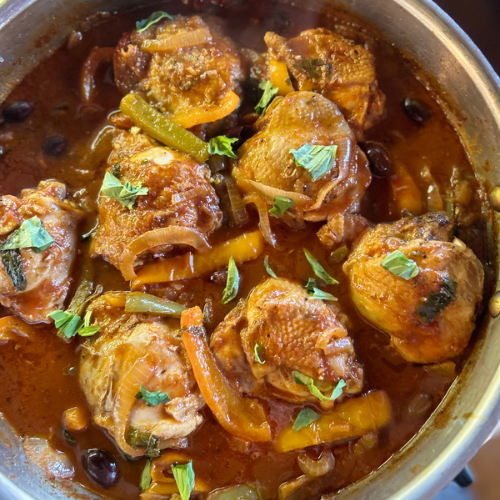
Chicken Cacciatore

Learn how to make authentic chicken cacciatore, a classic Italian dish, with vegetables and white or red wine.

Ingredients

  • 8 – Bone-In Chicken Thighs
  • 2 – Bell Peppers, thinly sliced
  • 1 – Yellow Onion, thinly sliced
  • 3 – Garlic Cloves, minced
  • 3/4 white or red wine
  • 2 Cups Marinara or Favorite Pasta Sauce
  • 2 Sprigs Rosemary
  • 1/2 Tsp. Oregano
  • 6 – Basil Leaves, torn
  • 1 dozen Kalamata Olives (optional)
  • 1 Tbsp Capers (optional)
  • salt and pepper to taste

Instructions for making Chicken Cacciatore

  1. Pre-heat oven safe skillet on medium/high heat with 2 tablespoons olive oil.
  2. Pre-heat oven to 350 degrees.
  3. Season thighs with salt and pepper.
  4. Once skillet is warmed, place thighs skin side down until browned (5-7 minutes).
  5. Flip and brown for another 7 minutes.
  6. Place thighs on plate and drain pan of all but 1 tablespoon of oil/fat.
  7. Add bell peppers and onion to pan and sprinkle with salt and pepper. Saute until softened and slightly brown and then add in garlic.
  8. Deglaze pan with 3/4 cup red or white wine.
  9. Add 2 cups marinara (or favorite pasta sauce), rosemary, oregano, basil. kalamata olives, and capers.
  10. Add thighs and juiced back into the pan. Evenly coat with sauce in the pan.
  11. Place lid or foil on pan and place in a 350 degree oven for approximately 25 minutes and/or internal temperature of chicken reaches 165.

*You could serve with pasta or over cheesy soft polenta.

Find more delicious chicken dinner recipes:

If you try this recipe and love it, I would appreciate if you could come back, commented on the post, and give it 5 stars! Thanks.

Chicken Cacciatore

Learn how to make authentic chicken cacciatore, a classicItalian dish, with vegetables and white or red wine.
Prep Time 15 days
Cook Time 30 days
Total Time 45 minutes
Course Dinner
Cuisine Italian
Servings 8

Ingredients
  

  • 8 Bone-In Chicken Thighs
  • 2 Bell Peppers thinly sliced
  • 1 Yellow Onion thinly sliced
  • 3 Garlic Cloves minced
  • 3/4 cup White or Red Wine
  • 2 cup Marinara or Favorite Pasta Sauce
  • 2 sprigs Rosemary
  • 1/2 tsp Oregano
  • 6 leaves Basil torn
  • 1 dozen Kalamata Olives optional
  • 1 tbsp Capers optional
  • salt and pepper to taste

Instructions
 

  • Pre-heat oven safe skillet on medium/high heat with 2 tablespoons olive oil.
  • Pre-heat oven to 350 degrees.
  • Season thighs with salt and pepper.
  • Once skillet is warmed, place highs skin side down until browned (5-7 minutes).
  • Flip and brown for another 7 minutes.
  • Place thighs on plate and drain pan of all but 1 tablespoon of oil/fat.
  • Add bell peppers and onion to pan and sprinkle with salt and pepper. Saute until softened and slightly brown and then add in garlic.
  • Deglaze pan with 3/4 cup red or white wine.
  • Add 2 cups marinara (or favorite pasta sauce), rosemary, oregano, basil. kalamata olives, and capers.
  • Add thighs and juices back into the pan. Evenly coat with sauce in the pan.
  • Place lid or foil on pan and place in a 350 degree oven for approximately 25 minutes and/or internal temperature of chicken reaches 165.
Keyword Dinner, Italian
Posted on

Organic or Conventional: Decoding Food Labels for Healthier Choices

When strolling through the grocery store, you’re presented with an array of labels proclaiming their contents to be “natural,” “organic,” “non-GMO,” and more. But what do these labels actually mean for your health and the environment? Understanding the nuances of organic versus conventional food labels is vital for making informed decisions that align with your dietary preferences and values. Let’s peel back the layers of these terms to ensure that you can select the most nutritious and sustainable options for your table.

Defintion of Organic

Organic produce and other ingredients are grown without the use of synthetic pesticides, fertilizers, genetically modified organisms (GMOs), and they are not subjected to irradiation or industrial solvents. The U.S. Department of Agriculture (USDA) certifies products as organic if they meet these stringent guidelines. According to the USDA, organic farming practices are designed to be environmentally friendly, promoting biodiversity and soil health, and reducing pollution and the use of water.

Label Variations


100% Organic: These products are made entirely with certified organic ingredients and methods.
Organic: Products with at least 95% organic ingredients can use this label.
Made with Organic: Products that contain at least 70% organic ingredients may state “made with organic ingredients” on the label, but cannot use the USDA organic seal.


Understanding Conventional Food


Conventional foods are the more common products found in grocery stores. They are produced using standard farming practices that often include synthetic chemical inputs such as pesticides and fertilizers. Conventional farming may also utilize GMOs to increase yield or resistance to pests. While these methods can make food more abundant and less expensive, there are concerns about the long-term effects of these practices on health and the environment. The Environmental Working Group, for instance, publishes a list of produce with the highest pesticide residues, known as the “Dirty Dozen,” to help consumers make healthier choices while shopping.

Reading Between the Lines


Understanding food labels goes beyond recognizing organic and conventional designations. Terms like “free-range,” “grass-fed,” and “hormone-free” often appear on packaging, and they can be confusing. For example:

Free-range: This indicates that the livestock had access to the outdoors, although the time spent outside may vary.
Grass-fed: Animals were fed grass for a significant portion of their lives, which can lead to leaner meat with potentially higher levels of certain nutrients.
Hormone-free: Animals were not given hormones to promote growth, which is especially common in poultry and dairy products.
While these labels can guide your choices, it’s crucial to understand their definitions and limitations. The Food and Drug Administration (FDA) and USDA provide guidelines and regulations for labeling, ensuring that consumers have access to reliable information about their food.

Empowered Shopping


Making sense of food labels empowers you to choose foods that are not only delicious but also align with your values, whether that’s supporting sustainable farming practices or selecting foods that are free from certain chemical inputs. At our marketplace, we’re committed to bringing the farm to you, offering fresh ingredients and meals that adhere to high standards of quality and sustainability. Our recipes, like Rustic Summer Pasta and Peach Crisp Chia Pudding, feature wholesome ingredients that celebrate the flavors of the season straight from the fields to your fork.

As you navigate the grocery aisles or browse our online selection, remember the importance of understanding food labels. It’s more than just making a choice between organic or conventional; it’s about making informed decisions that contribute to your health, your family’s well-being, and the planet. So next time you’re in the market for a fresh meal or pantry staple, consider the journey it’s made to your plate, and choose confidently knowing you’re well-versed in the language of food labeling.

Posted on

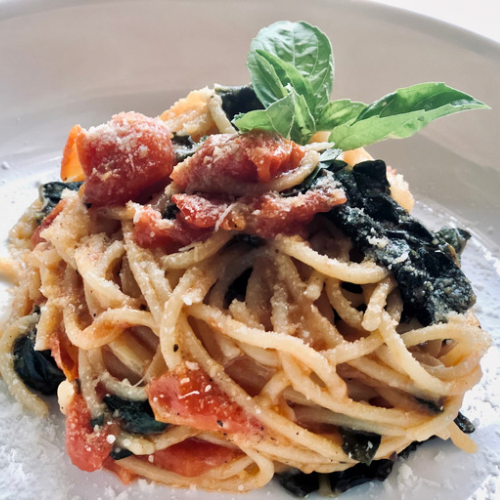
Rustic Summer Pasta

Rustic Summer Pasta

To me, summer is here when there is an abundance of fresh vegetables available to pick from and toss is in a quick and simple pasta dish and call it a meal. This Rustic Summer Pasta is so versatile you could throw in almost any vegetable and it would be delicious.

Ingredients:

Directions:

  1. Bring a large pot of water to a boil.
  2. Heat 2 tablespoons extra virgin olive oil in pan over medium/high heat and add minced garlic for 1 minute (do not brown).
  3. Add chopped Tuscan kale, approximately 1 minute.
  4. Add cherry tomatoes, salt, and pepper at medium heat and place lid on for 5-10 minutes.
  5. Once tomatoes break down, smash with the back of a wooden spoon.
  6. Add artisanal pasta to boiling water and cook according to package. *Reserve 1 cup of pasta water for sauce. For Italians, the pasta water is liquid gold. The secret to a good sauce.
  7. Add pasta a minute before al dente along with reserved pasta water, turn heat to high for 1 minute.
  8. Add 2 tablespoons olive oil and stir pasta quickly.
  9. Add salt, black pepper, torn basil, and Parmesan Reggiano to taste.
  10. Enjoy!

Rustic Summer Pasta

Rustic Summer Pasta

This Rustic Summer Pasta puts everything that's tasty about summer in one bite! It's simple enough that you can change it up and add whatever summer vegetables you have growing in your garden or local farmer's market!
Prep Time 10 days
Cook Time 20 days
Total Time 30 days
Course Dinner, Main Course, Pasta
Cuisine Italian
Servings 6 servings

Ingredients
  

  • 2 garlic cloves diced
  • 4 tbsp olive oil extra virgin
  • 1 cup Tuscan kale chopped and stems removed
  • 2 cups cherry tomato
  • 1/2 lb artisanal pasta
  • 1 handful basil sweet
  • 1/2 cup Parmesan Reggiano cheese grated
  • salt and pepper to taste

Instructions
 

  • Bring a large pot of water to a boil.
  • Heat 2 tablespoons extra virgin olive oil in pan over medium/high heat and add minced garlic for 1 minute (do not brown).
  • Add chopped Tuscan kale, approximately 1 minute.
  • Add cherry tomatoes, salt, and pepper at medium heat and place lid on for 5-10 minutes.
  • Once tomatoes break down, smash with the back of a wooden spoon.
  • Add artisanal pasta to boiling water and cook according to package. *Reserve 1 cup of pasta water for sauce.
    ***For Italians, the pasta water is liquid gold. The secret to a good sauce.
  • Add pasta a minute before al dente along with reserved pasta water, turn heat to high for 1 minute.
  • Add 2 tablespoons olive oil and stir pasta quickly.
  • Add salt, black pepper, torn basil, and Parmesan Reggiano to taste.
Keyword Handmade pasta, Little Lost Kitchen, summer pasta
Posted on

Italian Potato Salad

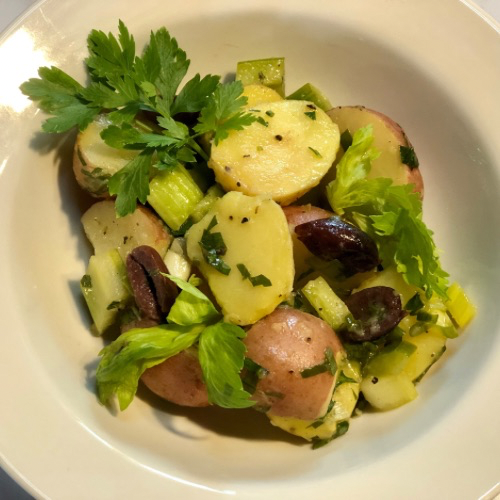
This light and fresh Italian Potato Salad is the perfect side dish for dinner, a BBQ, or your next family get together.

If I am being honest, potato salad has never been one of the items I run to at a BBQ or to add as a side dish to our dinner rotations at home. The creaminess of a traditional potato salad has always left me feeling heavy and ready for a nap. I enjoy eating potatoes and decided it was time to try out something new so that I would enjoy eating them as a side salad that was light instead of creamy.

This Italian Potato Salad is super simple with light ingredients for the vinaigrette and filled with fresh ingredients from your local farmers market, garden, or grocery store. This side dish can be served immediately or let to rest in the refrigerator overnight to allow the flavors to come together. It tastes even better the next day!

Ingredients needed for Italian Potato Salad:

  • Yukon Gold Potato
  • 1 Bunch Green Onion
  • Celery
  • Radish
  • Kalamata Olives
  • Salt
  • Pepper
  • Italian Parsley
  • Parsley Leaves
  • Red Wine Vinegar
  • Lemon Juice
  • Honey
  • Salt
  • Olive Oil
  • Dijon Mustard
  • Additional flavor if desired: thyme, oregano, basil

How to make Italian Potato Salad:

  1. Wash potatoes and transfer to a large pot. Fill pot with cold water, covering the potatoes by 1 inch.
  2. Bring the potatoes to a boil over high heat and then lower to a simmer. Cook until potatoes are fork tender but with a slight firmness, about 20-25 minutes.
  3. Drain and let potatoes cool to room temperature.
  4. In a large bowl, whisk together red wine vinegar, lemon juice, honey, salt, olive oil, and Dijon mustard.
  5. Once cooled, cut the potatoes into fourths and transfer to a serving dish. Add green onion, chopped celery, sliced radishes, pepper, Kalamata olives and toss with vinaigrette and chopped Italian parsley. Garnish with fresh parsley leaves.

Italian Potato Salad

This light and fresh Italian Potato Salad is the perfect side dish for dinner, a BBQ, or your next family get together.
Prep Time 30 minutes
Cook Time 30 minutes
Course Side Dish
Cuisine Italian
Servings 6 People

Ingredients
  

  • 2 lb Yukon Gold Potato
  • 1 Bunch Green Onion
  • 1/2 Cup Celery chopped
  • 4-6 Thinly Sliced Radish
  • 2 Dozen Kalamata Olives Halved
  • 1/4 tsp Pepper
  • 1/4 cup Italian Parsley roughly chopped

Vinaigrette

  • 1/3 cup Red Wine Vinegar
  • 1 tsp Lemon Juice
  • 1 tsp Honey
  • 1 tsp Salt
  • 2/3 cup olive oil
  • 1 tsp Dijon Mustard

Instructions
 

  • Wash potatoes and transfer to a large pot. Fill pot with cold water, covering the potatoes by 1 inch.
  • Bring the potatoes to a boil over high heat and then lower to a simmer. Cook until potatoes are fork tender but with a slight firmness, about 20-25 minutes.
  • Drain and let potatoes cool to room temperature.
  • In a large bowl, whisk together red wine vinegar, lemon juice, honey, salt, olive oil, and Dijon mustard.
  • Once cooled, cut the potatoes into fourths and transfer to a serving dish. Add green onion, chopped celery, sliced radishes, pepper, Kalamata olives and toss with vinaigrette and chopped Italian parsley.
    Garnish with fresh parsley leaves.

Notes

Additional flavor if desired: 1/4 tsp thyme, oregano, or basil.
Keyword Gathering, Italian, Side Dish